Lead writer
Drafts the article, gathers sources, and records the food and schedule context surrounding the ingredient under discussion.
A transparent framework for writing about magnesium glycinate, L-theanine, mineral blends, and daily recovery in Indonesia. This page sets out the steps, sources, and standards behind every article published on Branel, so a reader can judge the reliability of what they are reading.
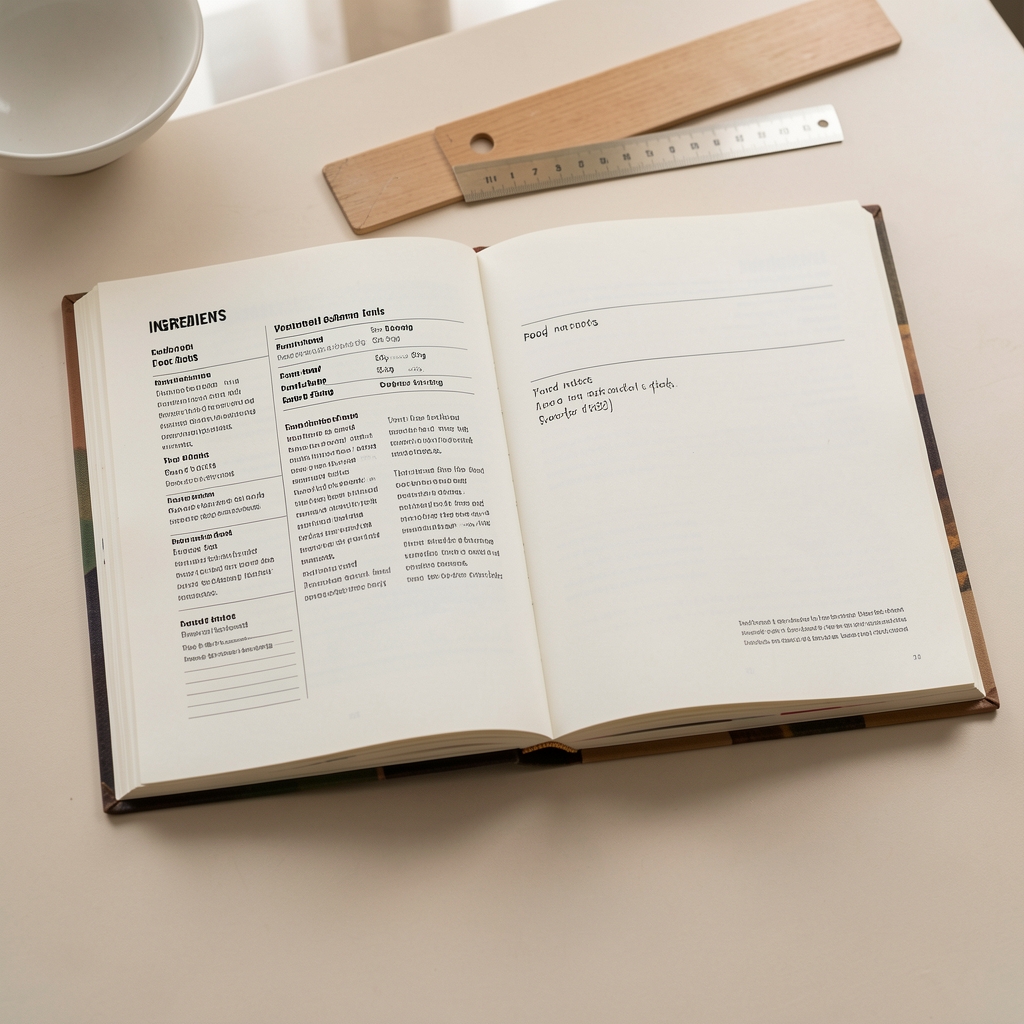
An ingredient is recorded alongside its food sources, serving information, time of day, training load, hydration, and sleep schedule. That structure keeps a men's daily supplement from being discussed as an isolated object disconnected from the rest of a reader's evening.
We use an evidence-informed approach, while making a clear distinction between a published source and the author's own observation. Where a claim cannot be traced to a public reference, the article says so plainly rather than implying a stronger basis than exists.
A short, factual summary of how the editorial process is structured before any article reaches publication.
| Level | Material | Editorial use |
|---|---|---|
| 01 | Published nutritional research | Background and terminology |
| 02 | Public ingredient and food references | Label and meal context |
| 03 | First-person routine records | Descriptive narrative only |
| 04 | Reader correspondence | Questions for future coverage |
Drafts the article, gathers sources, and records the food and schedule context surrounding the ingredient under discussion.
Reviews the draft for accuracy, tone, and unsupported claims before the piece is scheduled for publication.
Collects questions and corrections from readers and routes them back into future editorial planning.
"A workbook is only useful if it is honest about what it does not know. We would rather leave a gap visible than paper over it with confident language." — Editorial note, Branel Journal
No. Branel is an editorial publication, not a testing laboratory. Our work is based on label transcription, published research, and observed routines.
The editorial desk revisits this page whenever the review process changes materially, and notes the date of the most recent update below.
Content published by Branel is selected on the basis of published nutritional research and is reviewed by a second editor for editorial accuracy prior to publication.
We recommend consulting a qualified health or nutrition professional before introducing any supplement or dietary change into your daily routine, especially if you have any pre-existing health considerations.